When Patience Becomes Part of the Support

S U P P O R T E D . T R A I N E D . R E S P E C T E D .
Supporting an older adult can sometimes require more patience than we realize.
A task that once took five minutes may now take fifteen. Conversations may move more slowly. Someone may need a question repeated or additional time to process what was said. Routines that once felt simple may require more assistance.
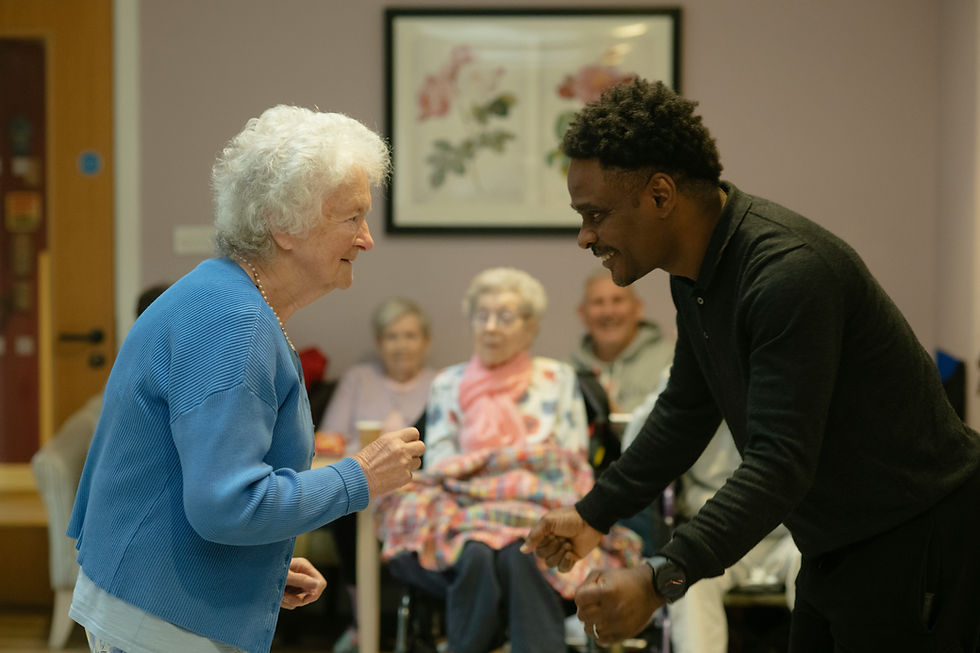
When you are busy, tired, or trying to keep everything moving, those moments can feel frustrating. But patience is more than simply waiting.
Patience can communicate respect.
When we rush someone, we may unintentionally communicate that their pace is inconvenient. When we slow down, make eye contact, listen, and allow them the time they need, we communicate something very different: You matter, and I have time for you.
This does not mean every situation needs to move slowly. There will always be schedules, responsibilities, appointments, and practical limitations. But when we can create space, even small changes can make an interaction feel more respectful.
For example, instead of answering a question for someone because they are taking a little longer to respond, give them another moment. Instead of immediately taking over a task, ask whether they would like assistance. Instead of correcting every small detail, consider whether the correction is actually necessary.
Sometimes, the support we provide is not measured by how quickly something gets done. It is measured by how the person feels while it is happening.
Try this: Think about one part of your daily routine that tends to feel rushed. What would change if you slowed that moment down by just a few minutes?
Progress does not always mean doing things faster. Sometimes, progress looks like creating a little more space for dignity, choice, and connection.


Comments